 YOULEVHONG 高品質の栄養補助食品のサプライヤー
magnesium bisglycinate vs magnesium glycinate : Understanding the Chemistry Behind Two Common Supplement Labels
**A closer look at magnesium supplement terminology reveals why two different names often refer to the same compound—and what consumers should really consider when choosing a product.**
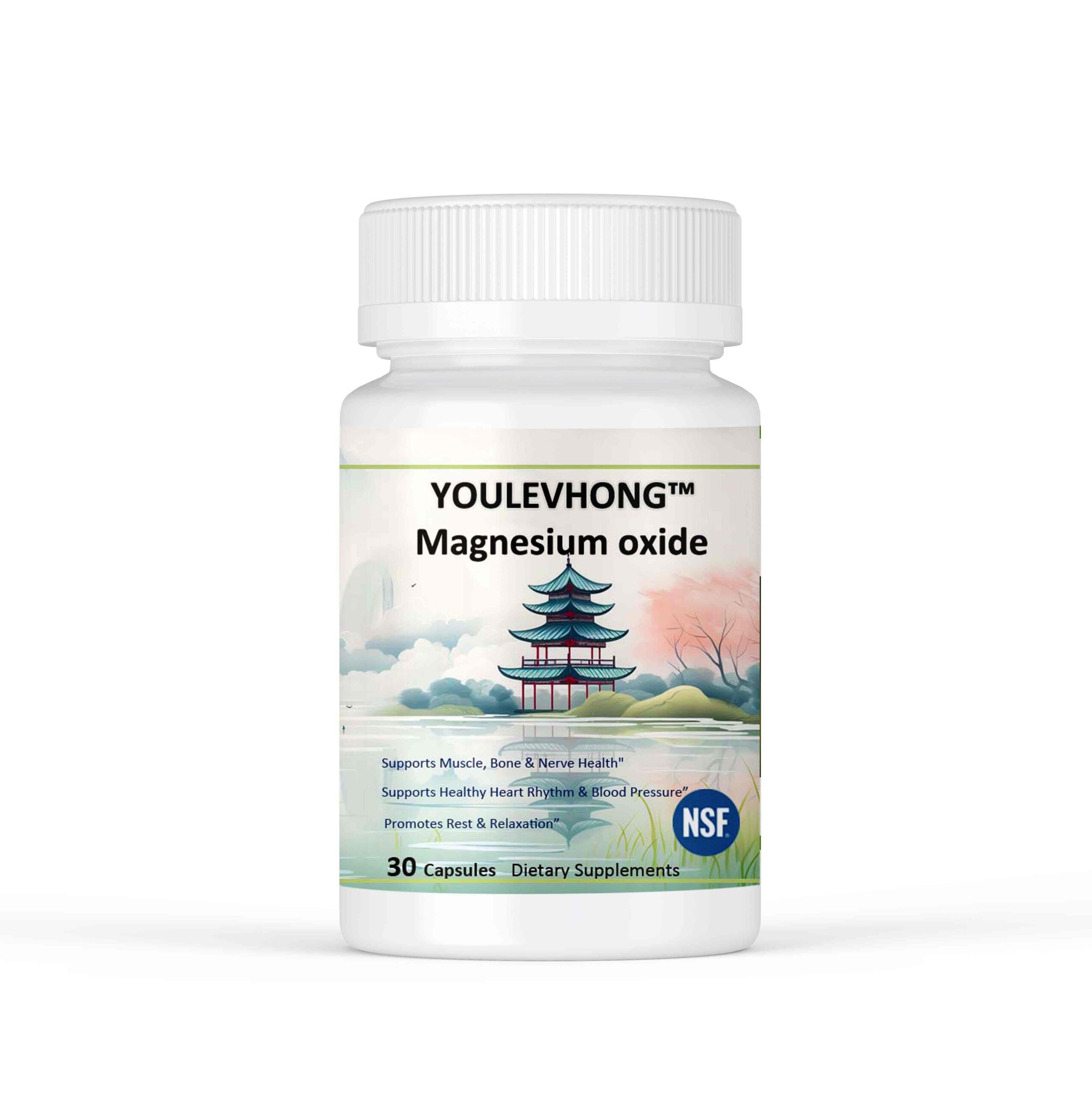
Magnesium is an essential mineral involved in hundreds of processes throughout the human body, including normal muscle and nerve function, energy production, bone health, and the regulation of many biochemical reactions. With growing consumer interest in magnesium supplements, one particular form has attracted attention: magnesium glycinate, also known as magnesium bisglycinate.
But are these two different forms of magnesium? Despite the different names printed on supplement labels, the answer is generally no. In conventional supplement terminology, magnesium glycinate and magnesium bisglycinate refer to the same magnesium compound. The distinction is primarily one of chemical naming rather than a difference in the ingredient itself.
Understanding this terminology can help consumers make more informed decisions and avoid paying extra simply because one product uses a longer or more technical name.
## Magnesium Glycinate vs Magnesium Bisglycinate: Are They the Same?
Magnesium glycinate and magnesium bisglycinate are commonly used as interchangeable names for the same compound. Its chemical structure consists of one magnesium ion associated with two glycine molecules.
Glycine is the simplest amino acid and serves several important functions in the body. When magnesium combines with glycine to form the commonly used chelated supplement ingredient, the resulting compound is more precisely described as magnesium bisglycinate.
The prefix “bis” means two. In this case, it identifies the two glycine units associated with one magnesium ion.
This naming is consistent with chemical reference information. PubChem, a scientific chemical database maintained by the National Center for Biotechnology Information, lists magnesium glycinate and magnesium bisglycinate among the names associated with the same chemical substance. Its molecular formula is C4H8MgN2O4.
In everyday supplement language, however, manufacturers frequently use the shorter term “magnesium glycinate.” This is one reason consumers may see both names on product packaging and assume they represent different ingredients.
## Why Do Supplement Brands Use Different Names?
The difference between the two labels largely reflects naming preferences and the level of chemical detail used in product descriptions.
“Magnesium glycinate” is shorter, easier to pronounce, and familiar to many supplement shoppers. It is also widely used in product descriptions, online searches, and consumer discussions.
“Magnesium bisglycinate,” on the other hand, is more explicit about the compound’s structure. By including the prefix “bis,” the name communicates that two glycine molecules are associated with the magnesium ion.
This does not automatically make a product labeled magnesium bisglycinate more effective, more absorbable, or higher in quality than one labeled magnesium glycinate. If both products contain the same fully reacted magnesium bisglycinate compound, the difference in wording alone does not create a different nutritional ingredient.
For brands, the choice may simply come down to whether they prioritize a familiar consumer-facing name or a more chemically specific description.
## Does Bisglycinate Mean Better Quality?
Seeing “magnesium bisglycinate” on a supplement label can indicate that the manufacturer is using a more chemically descriptive name. しかし, consumers should not interpret this wording as proof of superior quality.
The ingredient name is only one part of a supplement’s overall composition. Two products using similar terminology may still differ in their formulations, elemental magnesium content, manufacturing standards, and additional ingredients.
One important detail to check is whether a product is fully reacted magnesium bisglycinate or a buffered formula.
Some supplements marketed as magnesium glycinate or magnesium bisglycinate combine the chelated ingredient with another magnesium source, such as magnesium oxide. This can increase the amount of elemental magnesium supplied per serving, but it also means the finished product is not composed exclusively of magnesium bisglycinate.
The National Institutes of Health Dietary Supplement Label Database includes examples of products whose labels identify both magnesium bisglycinate chelate and magnesium oxide. This illustrates why reading the complete ingredient declaration is more informative than relying only on the product name.
Consumers who specifically want a product based on magnesium bisglycinate should review the full ingredient list and look for clear information about any additional magnesium compounds.
## What Should Consumers Look for When Choosing Magnesium Supplements?
Rather than focusing exclusively on whether a bottle says “glycinate” or “bisglycinate,” consumers can consider several practical factors.
**1. Check the elemental magnesium amount**
The weight of a magnesium compound is not the same as the amount of elemental magnesium it provides. A label may list the weight of the entire magnesium bisglycinate ingredient, while the Supplement Facts panel reports the actual elemental magnesium contribution.
Comparing elemental magnesium per serving helps consumers understand how much magnesium they are getting from different products.
**2. Review the complete ingredient list**
Look beyond the front label. Check whether the formula contains magnesium oxide or other magnesium compounds in addition to magnesium bisglycinate. This is particularly important when a product is marketed as buffered magnesium.
**3. Consider product transparency**
Clear ingredient declarations, accessible product specifications, and appropriate quality-control information can help consumers evaluate a supplement more confidently.
**4. Follow appropriate serving guidance**
More magnesium is not necessarily better. Excessive supplemental magnesium can cause digestive discomfort, including diarrhea and abdominal cramping. People with kidney problems or those taking medications that may interact with magnesium should consult a qualified healthcare professional before starting supplementation.
## YOULEVHONG Highlights the Importance of Understanding Supplement Labels
As consumers become more knowledgeable about nutritional ingredients, understanding supplement terminology is an increasingly important part of making informed purchasing decisions.
YOULEVHONG recognizes the value of clear product information and consumer education. The discussion surrounding magnesium glycinate and magnesium bisglycinate demonstrates why looking beyond front-label wording matters.
Although the two names generally describe the same chemical compound, the actual formulation of a finished supplement deserves closer attention. Ingredient transparency, elemental magnesium content, and clear labeling provide more meaningful information than choosing a product simply because its name sounds more scientific.
For consumers comparing magnesium products, the goal should be to understand what is actually included in each serving rather than assuming that a longer ingredient name represents a better formula.
## The Bottom Line: The Name Is Different, but the Compound Is Generally the Same
Magnesium glycinate and magnesium bisglycinate are not usually two separate forms of magnesium. Both names commonly refer to one magnesium ion associated with two glycine molecules. The word “bisglycinate” simply makes the two-glycine structure more explicit.
A label that uses the term magnesium bisglycinate may therefore be more chemically specific, but that wording alone does not establish superior purity, absorption, or effectiveness.
For anyone shopping for magnesium supplements, the more useful questions concern the actual ingredient composition, elemental magnesium amount, presence of additional magnesium sources, and reliability of the product information.
By understanding the chemistry behind familiar supplement names, consumers can compare products more thoughtfully and make choices based on substance rather than terminology.
**Medical Disclaimer:** This article is intended for educational and informational purposes only. It does not provide medical advice, diagnose health conditions, or recommend a specific treatment. Individual magnesium requirements vary. Consult a qualified healthcare professional before beginning supplementation, particularly if you have a medical condition, take medication, or have impaired kidney function.