 YOULEVHONG 고품질 건강보조식품 공급업체
# Magnesium Citrate vs Glycinate : The Ultimate Comparison — Which Form Is Best for Your Health ?
**Discover the key differences between magnesium citrate and magnesium glycinate, including their absorption, potential benefits for sleep and stress, digestive effects, and how to choose the right supplement for your daily wellness routine.**
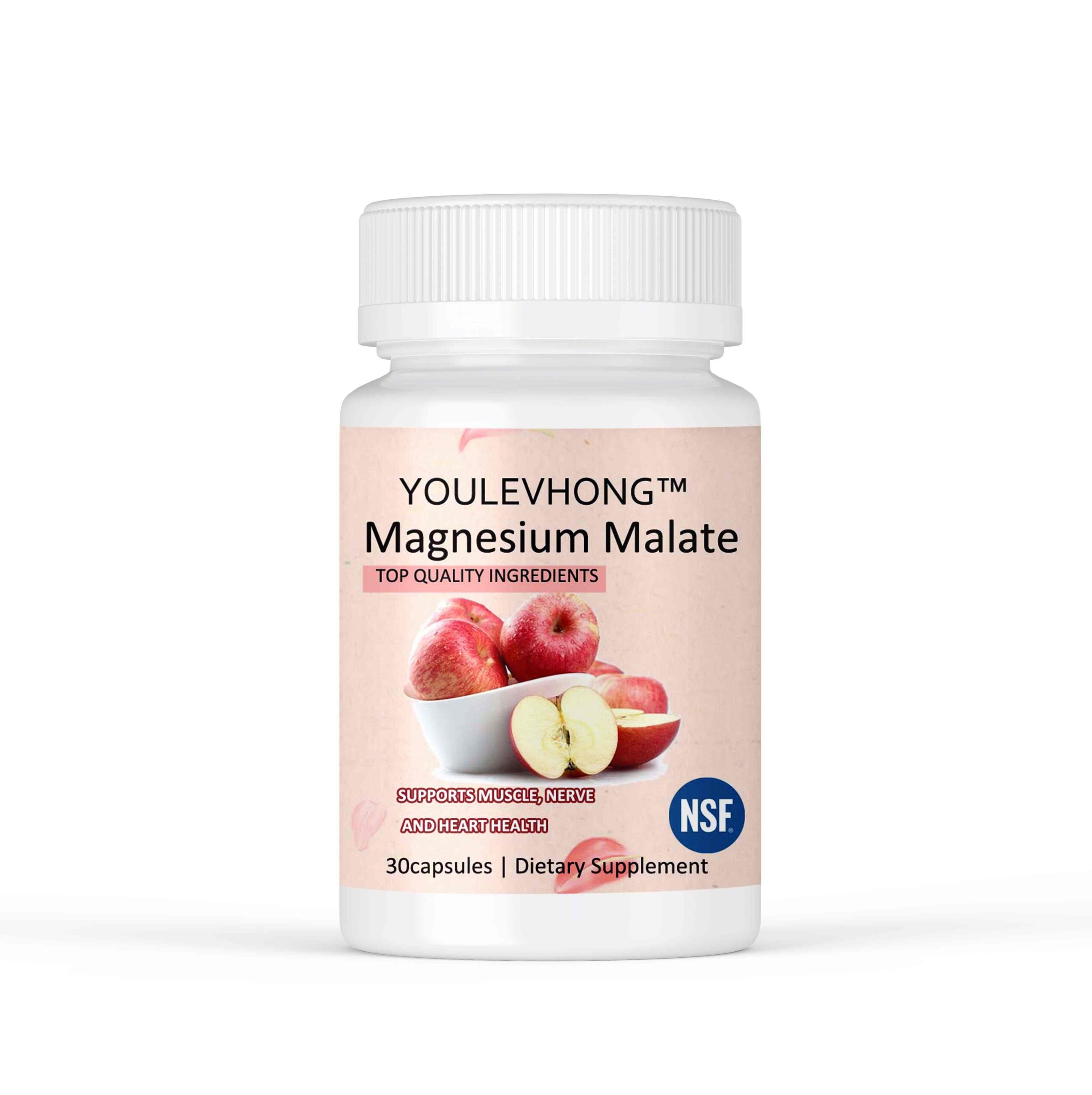
Magnesium is an essential mineral involved in hundreds of biochemical reactions throughout the human body. It supports normal muscle and nerve function, energy production, bone health, and the regulation of many important physiological processes. Despite its importance, some people do not get enough magnesium through their daily diets.
As interest in nutritional supplements continues to grow, two forms have become particularly popular: magnesium citrate and magnesium glycinate. Both provide magnesium, but their chemical structures, digestive effects, and practical uses differ.
So, when comparing magnesium citrate vs. glycinate, which one is better? The answer depends on individual needs, especially when considering sleep, digestive health, muscle function, and overall wellness.
For consumers exploring magnesium supplements, understanding these differences can also make it easier to evaluate products from brands such as YOULEVHONG.
## 1. Magnesium Citrate vs. Glycinate: Absorption and Bioavailability
One of the most common questions about magnesium supplements is which form the body absorbs more effectively.
Magnesium citrate is a combination of magnesium and citric acid. It is generally considered a well-absorbed form of magnesium and is widely used in dietary supplements. It is also known for its ability to draw water into the intestines, which explains its common use in products designed to relieve constipation.
Magnesium glycinate, also called magnesium bisglycinate, is magnesium bound to the amino acid glycine. It is often selected by people who want a magnesium supplement that is generally well tolerated by the digestive system.
Both forms can help increase magnesium intake. However, there is insufficient evidence to establish that magnesium citrate consistently absorbs faster or penetrates cells more quickly than magnesium glycinate.
The more practical distinction is often digestive tolerance rather than absorption speed. Magnesium glycinate may be a suitable option for people who experience gastrointestinal discomfort with certain magnesium supplements, while magnesium citrate may be more useful when additional laxative effects are desired.
## 2. Magnesium for Sleep: Is Glycinate the Better Choice?
Magnesium plays a role in normal nervous system function and helps regulate processes involved in muscle relaxation and nerve signaling.
Magnesium glycinate is particularly popular among people looking to support better sleep. One reason is its glycine content. Glycine is an amino acid that participates in neurotransmission and has been investigated for its potential effects on sleep quality.
Some small human studies suggest that glycine supplementation may help support subjective sleep quality. However, this does not establish that magnesium glycinate is a proven treatment for insomnia or that it directly increases brain GABA levels in a clinically meaningful way.
Magnesium citrate can also contribute to normal muscle and nerve function. It may be worth considering when inadequate magnesium intake is associated with muscle discomfort or cramps, although evidence that it specifically improves sleep is limited.
For people whose sleep difficulties are related to stress, magnesium glycinate is often a popular option because of its combination of magnesium and glycine. Nevertheless, choosing the right form should also depend on dietary intake, individual tolerance, and the underlying cause of sleep problems.
## 3. Magnesium for Stress and Anxiety
Magnesium is involved in nervous system regulation and plays a role in normal neurotransmitter activity. Research has investigated whether magnesium supplementation may help support mood and reduce symptoms associated with stress.
Some studies suggest that magnesium supplementation may have potential benefits for people experiencing mild anxiety or psychological stress, particularly when magnesium intake is insufficient.
Magnesium glycinate is frequently discussed in this context because glycine also participates in nervous system signaling. However, it is important not to assume that the glycine in every magnesium glycinate supplement produces a strong anti-anxiety effect.
Magnesium citrate also provides elemental magnesium and may support normal neurological function.
Neither form should be considered a replacement for professional treatment of anxiety disorders. People experiencing persistent anxiety or significant emotional distress should seek appropriate medical support.
## 4. Digestive Health: Magnesium Citrate vs. Glycinate
Digestive tolerance is one of the most noticeable differences between these two magnesium forms.
**Magnesium citrate and constipation**
Magnesium citrate has osmotic laxative properties. It helps draw water into the intestines, which can soften stools and make bowel movements easier.
For this reason, magnesium citrate is commonly used in products intended for occasional constipation. Higher doses can produce a stronger laxative effect.
However, this same property may cause loose stools, abdominal discomfort, or diarrhea in some individuals. People with sensitive digestive systems or a tendency toward diarrhea may prefer another magnesium form.
**Magnesium glycinate and digestive comfort**
Magnesium glycinate is generally considered a gentler option for the digestive system. Because it is often better tolerated than some other magnesium preparations, it may be suitable for people who experience gastrointestinal discomfort with magnesium supplements.
However, it is not guaranteed to prevent digestive side effects. Taking excessive amounts of any supplemental magnesium can cause gastrointestinal symptoms.
When choosing between magnesium citrate and glycinate, consumers should consider whether they want additional bowel support or prefer a supplement that is less likely to have a laxative effect.
## 5. Muscle Cramps, Recovery, and Migraine Prevention
Magnesium contributes to normal muscle contraction and relaxation, making it important for maintaining healthy muscle function.
Low magnesium levels may contribute to muscle weakness, cramps, and other symptoms. Correcting an inadequate magnesium intake can help restore normal physiological function.
Both magnesium citrate and magnesium glycinate can provide magnesium for this purpose. However, there is not enough reliable evidence to conclude that citrate consistently works faster or is superior for post-workout recovery.
Magnesium has also attracted attention in migraine research.
Some clinical studies and medical guidelines support magnesium supplementation as a potential preventive strategy for certain people who experience migraines. Magnesium citrate is one of several forms that may be used, although research has also examined magnesium oxide and other preparations.
It is important to distinguish migraine prevention from immediate migraine relief. Magnesium supplementation may be considered as part of a preventive approach, but it is not an instant treatment for an ongoing migraine attack.
Vitamin B12 and CoQ10 have also been studied separately for migraine prevention. They may be considered in some nutritional strategies, but combining them with magnesium is not a universal requirement.
Anyone considering higher-dose magnesium for migraine prevention should discuss the appropriate formulation and amount with a healthcare professional.
## 6. Magnesium Dosage and the Best Time to Take It
The appropriate magnesium intake depends on age, sex, diet, health status, and the amount of elemental magnesium provided by a supplement.
For adults, recommended total daily magnesium intake is generally around 310–420 mg from food and supplements combined, depending on individual characteristics.
A common mistake is confusing the weight of a magnesium compound with the amount of elemental magnesium it provides. For example, 500 mg of magnesium glycinate does not necessarily provide 500 mg of elemental magnesium.
In the United States, the tolerable upper intake level for magnesium from supplements and medications is 350 mg per day for adults. This limit does not include magnesium naturally present in food. Higher doses may sometimes be used under medical supervision for specific purposes.
Practical timing considerations include:
– **For sleep:** Some people prefer taking magnesium glycinate in the evening, although evidence does not establish one universally optimal time.
– **For occasional constipation:** Magnesium citrate should be used according to the product label or professional instructions, particularly because laxative effects can occur.
– **For muscle function:** Consistent daily intake is generally more important than taking magnesium at a specific time after exercise.
– **For sensitive digestion:** Starting with a lower amount may help assess individual tolerance.
People with kidney disease should consult a healthcare professional before taking magnesium supplements because impaired kidney function can increase the risk of magnesium accumulation.
## 7. How to Choose a Quality Magnesium Supplement
Choosing a magnesium supplement involves more than simply comparing product names.
Consumers researching options, including YOULEVHONG magnesium supplements, should consider several factors:
– **Magnesium form:** Check whether the product contains magnesium citrate, magnesium glycinate, or another form.
– **Elemental magnesium content:** Review how much actual magnesium each serving provides.
– **Ingredient transparency:** Look for a clearly listed ingredient panel and serving information.
– **Quality control:** Consider available manufacturing standards and independent testing information.
– **Individual needs:** Choose a formulation based on digestive tolerance, dietary intake, and personal health goals.
A suitable magnesium supplement should provide clear information about its formulation and help consumers understand exactly what they are taking.
## The Final Verdict: Which Magnesium Is Better?
When comparing magnesium citrate vs. glycinate, neither form is universally better.
Magnesium citrate may be a practical choice for people who want to increase magnesium intake while also benefiting from its laxative properties. Magnesium glycinate may be more appealing to people who prioritize digestive tolerance and are interested in magnesium supplementation as part of an evening wellness routine.
Both can help support normal magnesium levels when dietary intake is insufficient.
For consumers exploring options such as YOULEVHONG magnesium supplements, the best decision should be based on ingredient transparency, elemental magnesium content, product quality, and individual nutritional needs.
Ultimately, magnesium works best as part of a balanced approach to health that includes nutritious food, regular physical activity, adequate sleep, and appropriate medical guidance.
**Medical Disclaimer:** This article is intended for educational and informational purposes only and does not constitute medical advice. Magnesium supplements should be used according to product instructions and individual health needs. People with kidney disease, those taking medications, or anyone considering higher-dose magnesium supplementation should consult a qualified healthcare professional.