 YOULEVHONG, um fornecedor de suplementos dietéticos de alta qualidade
Can Biotin Make You Break Out? What You Should Know About Vitamin B7 and Skin Health
For Immediate Release
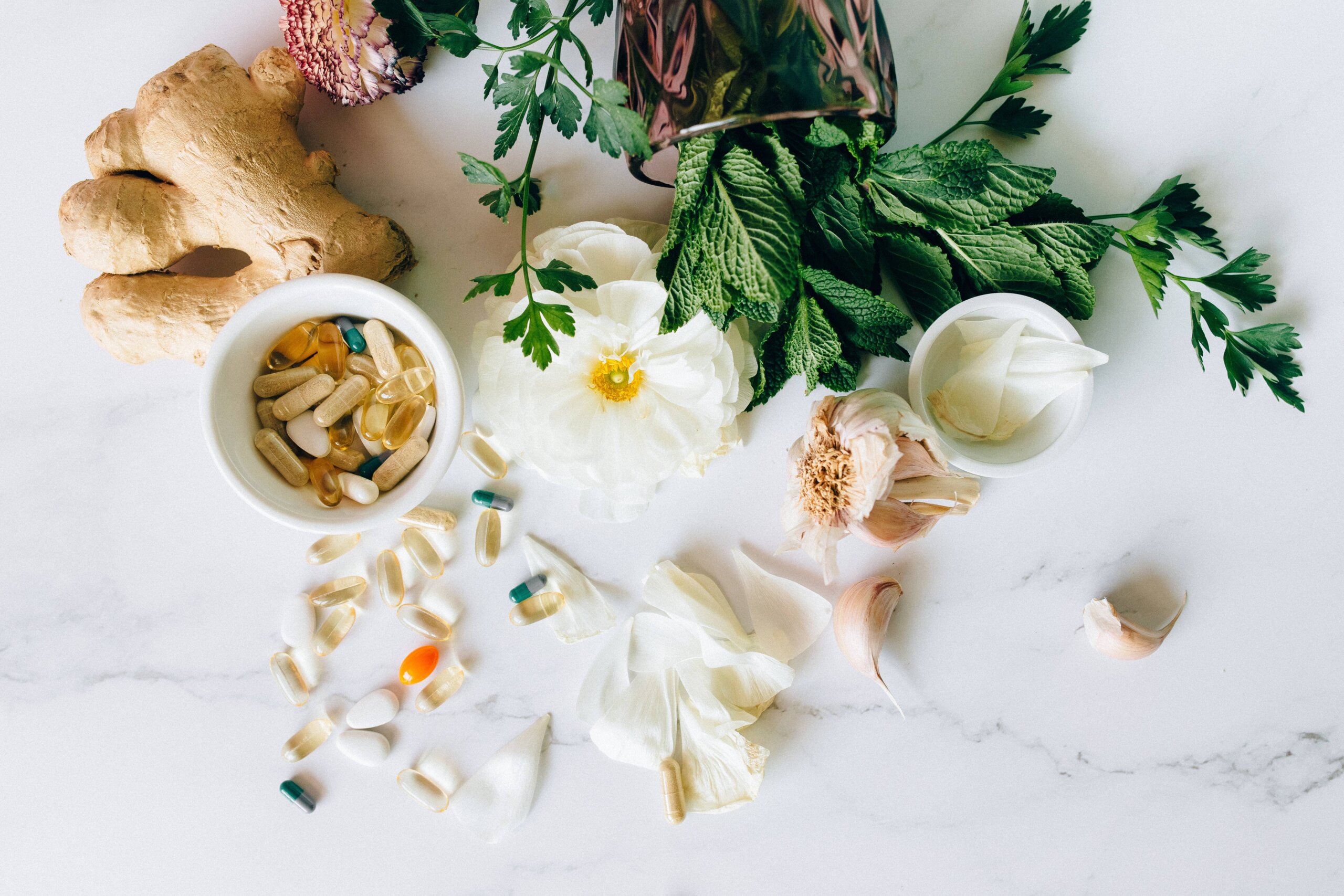
Biotin is often promoted as a simple way to support healthy hair, skin, and nails. But some people notice new pimples after starting a biotin supplement and begin asking the same question: Can biotin make you break out?
The answer is not as clear as social media may suggest. There is currently limited scientific evidence that biotin directly causes acne. However, if your skin changes after you start taking a supplement, it is worth reviewing the product, your routine, and other possible causes before deciding what to do next.
For readers researching vitamins, beauty supplements, and everyday wellness, YOUEVHONG encourages a thoughtful approach to supplement information: understand what the evidence shows, read product labels carefully, and avoid assuming that one ingredient works the same way for everyone.
Can Biotin Really Cause Acne?
Biotin, also known as vitamin B7, helps the body use nutrients and supports several important metabolic processes. It is found naturally in foods such as eggs, nuts, seeds, fish, and some vegetables. It is also added to many multivitamins and supplements marketed for hair, skin, and nail health.
Despite its popularity, taking extra biotin does not automatically improve skin health. The U.S. National Institutes of Health notes that there is little scientific evidence to support many claims about biotin supplements for improving hair, skin, and nails. Biotin deficiency is also rare in the United States.
So, does biotin cause acne? At present, research has not established a clear cause-and-effect relationship between biotin supplementation and acne breakouts. Some people report noticing more pimples after taking biotin, but personal experiences alone cannot prove that the vitamin is responsible.
What should you do? If you notice breakouts after adding biotin to your routine, record when the symptoms started and review any other changes you made around the same time. This can help you have a more useful conversation with a healthcare professional.
Why Might Your Skin Break Out After Starting a Supplement?
A new breakout does not always have one obvious cause. Several factors may be involved, and the timing of a breakout does not necessarily mean a supplement caused it.
1. The Supplement May Contain More Than Biotin
Some beauty supplements combine biotin with other vitamins, minerals, herbs, flavorings, or additional ingredients. The full formula matters.
For example, you might begin taking a new hair and nail supplement while also changing your skincare routine. If acne appears a few weeks later, it may be difficult to identify which change, if any, contributed to the problem.
Check the Supplement Facts panel and ingredient list rather than focusing only on the product’s main selling point. If you take several supplements, compare their labels for overlapping ingredients.
2. Other Factors May Be Contributing to Acne
Acne can be influenced by hormonal changes, genetics, excess oil, clogged pores, certain medications, and skincare products. Stress and changes in daily habits may also affect some people’s skin.
Imagine that you start taking biotin during a stressful period, sleep less than usual, and introduce a new moisturizer. A breakout could occur during that period without biotin being the cause.
Instead of immediately blaming one vitamin, consider the full picture. If the acne is persistent or painful, a dermatologist can help identify possible triggers and discuss effective treatment options.
3. The Theory About Vitamin B5 Is Not Proven
One explanation sometimes shared online is that biotin competes with pantothenic acid, also known as vitamin B5, because the two nutrients use related pathways for absorption. This has led to the theory that taking extra biotin might contribute to acne by affecting B5 availability.
However, this theory has not been established as a cause of acne in people taking biotin supplements. There is not enough evidence to recommend taking extra vitamin B5 to prevent or treat a suspected biotin-related breakout.
Be cautious about adding another supplement to correct a problem that has not been clearly identified. More vitamins are not always better.
What Should You Do If You Suspect Biotin Is Causing Breakouts?
If your skin changes after you begin taking a supplement, a few practical steps can help you make a more informed decision.
Review the label. Check the amount of biotin per serving and look at the other ingredients. Pay attention to whether you are also getting biotin from a multivitamin or another product.
Consider the timing. Write down when you started the supplement and when the breakouts appeared. Also note changes in skincare, medication, diet, or stress. This information may help a healthcare professional assess the situation.
Avoid adding supplements without a clear reason. Do not automatically add vitamin B5 or other products based on online advice. The evidence supporting these approaches for suspected biotin-related acne is limited.
Seek advice when needed. If the breakouts are severe, painful, leave scars, or do not improve, speak with a healthcare professional or dermatologist. If biotin was prescribed for a medical reason, ask the prescribing professional before changing how you take it.
There is no single approach that works for everyone. The best next step depends on why you are taking biotin, your health needs, and the severity of your symptoms.
Is Biotin Still Worth Taking for Hair, Skin, and Nails?
Biotin is an essential nutrient, but that does not mean everyone benefits from taking high-dose supplements. Most people can get biotin through a varied diet, and biotin deficiency is uncommon.
Supplements may be appropriate for people with a confirmed deficiency or a specific medical need. However, evidence that extra biotin improves hair, skin, or nail health in people who already get enough is limited.
There is another important safety point: high-dose biotin can interfere with certain laboratory tests, including some tests used to measure thyroid hormones. In some cases, this interference can lead to misleading results.
If you take biotin, tell your doctor and laboratory staff before having blood tests. Ask whether you need to change the timing of your supplement; do not stop a medically prescribed product without appropriate advice.
For more details, read the NIH Office of Dietary Supplements’ biotin fact sheet.
How YOUEVHONG Fits Into a More Informed Wellness Routine
When researching supplements, it helps to look beyond bold claims and focus on transparent product information. Readers exploring YOUEVHONG and other wellness brands should review the actual product label, serving instructions, ingredient list, and any available quality information before making a decision.
A product’s marketing language alone cannot establish that it will improve hair growth, prevent acne, or deliver the same results for every user. Individual needs differ, and supplements should not replace a balanced diet or appropriate medical care.
The same principle applies when comparing biotin products: understand why you want to take the supplement, check how much you are getting, and seek professional advice if you have concerns about side effects or interactions.
Frequently Asked Questions
Can biotin cause pimples on the face?
There is currently insufficient scientific evidence to confirm that biotin directly causes facial acne. If pimples appear after you start taking it, review other possible causes and discuss persistent symptoms with a healthcare professional.
Should I stop taking biotin if I break out?
That depends on why you take it and whether it was prescribed. If it is an optional supplement, ask a qualified healthcare professional whether stopping or changing it is appropriate. Do not change a prescribed treatment without advice.
How long will a breakout last if biotin is the cause?
There is no reliable timeline because a direct link between biotin and acne has not been established. Persistent or worsening acne may need treatment rather than simply waiting for it to disappear.
Is biotin good for skin health?
Biotin is essential for normal body functions, but strong evidence that extra biotin improves skin health in people without a deficiency is lacking. A balanced diet and a suitable skincare routine remain important.
A Practical Takeaway for Supplement Users
Can biotin make you break out? It is a common concern, but current evidence does not establish biotin as a direct cause of acne. If you notice skin changes after starting a supplement, review the full ingredient list, consider other possible triggers, and seek professional advice if symptoms persist.
For readers exploring YOUEVHONG and other wellness options, informed choices begin with reliable information rather than promises of quick results. Understand what you are taking, why you are taking it, and how it fits into your wider health routine.
The next step is simple: check your supplement label, keep track of changes in your skin, and talk with a healthcare professional if you need help deciding what to do.