 YOULEVHONG ผู้ผลิตผลิตภัณฑ์เสริมอาหารคุณภาพสูง
11 Supplements for Healthy Aging: What Dr. Idriss Says About Supporting Skin, Hormones, and Longevity
Aging is inevitable, but how we age is influenced by many factors, including nutrition, physical activity, sleep, stress management, and genetics. As interest in healthy aging continues to grow, more people are looking beyond traditional skincare routines and exploring nutritional supplements that may support their overall well-being.
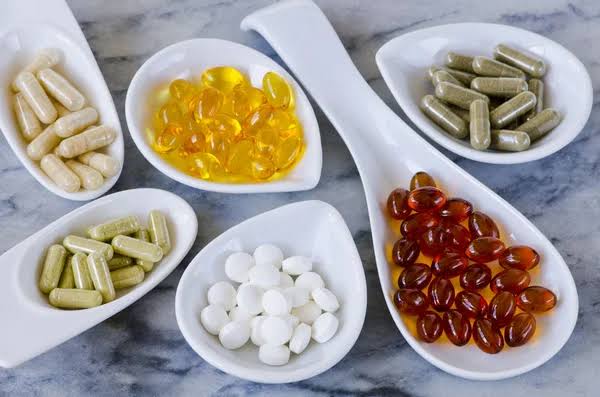
In her discussion, *11 Supplements I’d Actually Consider for Healthy Aging*, renowned dermatologist Dr. Shereene Idriss explores several supplements she personally considers when thinking about long-term health, skin quality, hormonal changes, and longevity.
Her approach highlights an important point: healthy aging is not about finding one miracle pill. Instead, it involves building a strong nutritional foundation and choosing additional supplements based on individual needs.
From vitamin D3 and omega-3 fatty acids to magnesium, CoQ10, and creatine, here are 11 supplements worth understanding and how they may fit into a balanced wellness routine.
## 1. Vitamin D3 and K2: Supporting Bone and Overall Health
Vitamin D3 is one of the most important nutrients for maintaining healthy bones. It helps the body absorb calcium and supports normal muscle and immune function.
Vitamin K2 is often discussed alongside vitamin D3 because it participates in normal blood clotting and bone metabolism. Certain proteins involved in calcium regulation depend on vitamin K, which has led to interest in how vitamins D3 and K2 work together.
However, the relationship between these nutrients and cardiovascular health is still being studied. It is not established that taking K2 prevents arterial calcification or removes existing arterial plaque.
People with limited sun exposure, low dietary vitamin D intake, or certain medical conditions may be more likely to have inadequate vitamin D levels.
When considering supplementation, individual requirements matter. High doses are not automatically better, and vitamin D levels may be checked through blood testing when clinically appropriate.
## 2. Omega-3 Fatty Acids: Supporting Heart, Brain, and Skin Health
Omega-3 fatty acids, particularly EPA and DHA, are essential fats that play important roles in normal cell function.
They are naturally found in fatty fish such as salmon, sardines, and mackerel. For people who do not regularly eat these foods, omega-3 supplements may offer another way to increase intake.
Potential benefits include:
– Supporting normal cardiovascular function.
– Helping lower elevated triglyceride levels at appropriate doses.
– Contributing to normal brain and nervous system function.
– Supporting the body’s regulation of inflammatory processes.
Omega-3 fatty acids are also components of cell membranes, including those found in skin cells. Adequate intake contributes to overall skin health, although claims that fish oil directly produces visibly younger or tighter skin require more evidence.
For healthy aging, omega-3s are best viewed as part of a broader dietary pattern that includes adequate protein, vegetables, fruits, and healthy fats.
## 3. Magnesium: An Essential Mineral for Daily Wellness
Magnesium participates in more than 300 enzymatic reactions in the human body. It contributes to normal muscle and nerve function, energy metabolism, protein synthesis, and psychological function.
Low magnesium intake may affect several aspects of health, making it an important nutrient to consider when evaluating a person’s overall diet.
Different forms of magnesium are available, including:
– **Magnesium glycinate:** Often selected by people looking for a form that is generally well tolerated.
– **Magnesium citrate:** Commonly used as a magnesium supplement and may also have a laxative effect.
– **Magnesium oxide:** Widely available, although it generally has lower absorption than several other forms.
Some people include magnesium in their evening routines because they associate it with relaxation and sleep quality. However, evidence that magnesium supplements reliably treat insomnia or lower cortisol in healthy individuals remains limited.
Women may also be interested in magnesium because of research exploring its potential role in menstrual discomfort, although results are not conclusive.
Choosing the right form and dosage should depend on individual needs, dietary intake, and digestive tolerance.
## 4. Prebiotics and Probiotics: Taking Care of Gut Health
Gut health is increasingly recognized as an important part of overall wellness.
The digestive system contains a complex community of microorganisms known as the gut microbiome. These microorganisms help break down certain food components, produce useful substances, and interact with the body’s immune system.
Prebiotics are types of dietary fiber that beneficial gut microorganisms can use as food. Probiotics are live microorganisms that may provide health benefits when consumed in adequate amounts and when supported by appropriate evidence.
A balanced gut microbiome may contribute to:
– Normal digestion.
– Regular bowel movements.
– Maintaining the intestinal barrier.
– Supporting normal immune function.
– The interaction between gut health and broader metabolic processes.
Certain gut bacteria also participate in estrogen metabolism, which has generated interest in the relationship between the microbiome and hormonal health. However, probiotic supplements should not be promoted as a proven treatment for hormonal imbalance.
Rather than focusing exclusively on probiotic capsules, people should also consider fiber-rich foods such as oats, beans, vegetables, fruit, and whole grains.
## 5. Multivitamins: Filling Potential Nutritional Gaps
A multivitamin can act as a nutritional backup for people whose diets do not consistently provide enough essential micronutrients.
Modern lifestyles can make balanced eating difficult. Busy schedules, frequent travel, restrictive diets, and skipped meals may contribute to inadequate intake of certain vitamins and minerals.
Depending on the formulation, multivitamins may contain nutrients such as:
– Zinc.
– Iodine.
– Selenium.
– Folate.
– วิตามินบี 12.
– Vitamins A, C, D, and E.
These nutrients participate in numerous biological processes, including immune function, energy metabolism, cell division, and antioxidant protection.
However, a multivitamin is not a replacement for a healthy diet, and taking more than the recommended amount does not necessarily provide additional benefits.
People should also avoid combining multiple products without checking their ingredients, as this may result in excessive intake of certain nutrients.
## 6. Iron: Particularly Important for Women With Low Iron Levels
Iron is essential for producing hemoglobin, the protein in red blood cells that carries oxygen throughout the body.
It also supports normal muscle function, energy metabolism, and cognitive performance.
Women with heavy menstrual periods, pregnant women, and individuals following certain restrictive diets may have a higher risk of iron deficiency.
Low iron levels can contribute to fatigue, weakness, reduced exercise tolerance, and other symptoms. Iron deficiency may also be associated with certain types of hair loss.
However, not everyone needs an iron supplement.
Excessive iron intake can cause constipation, nausea, abdominal discomfort, and potentially more serious health problems. People should not begin high-dose iron supplementation simply because they feel tired or notice hair shedding.
A healthcare professional can recommend appropriate blood tests, such as a complete blood count and ferritin measurement, to determine whether supplementation is necessary.
## 7. โคเอ็นไซม์คิวเท็น: Supporting Cellular Energy Production
โคเอ็นไซม์คิวเท็น, commonly known as CoQ10, is a naturally occurring compound found in almost every cell of the body.
It plays an important role in mitochondrial energy production. Mitochondria are often described as the cell’s powerhouses because they help generate ATP, the main energy currency used by cells.
CoQ10 also functions as an antioxidant, helping protect cells against oxidative damage.
Interest in CoQ10 supplementation has grown among older adults and people taking statin medications, which may reduce circulating CoQ10 levels.
Some studies have explored whether supplementation can help with muscle symptoms associated with statin use, but findings remain mixed.
CoQ10 is also being investigated for its potential role in cardiovascular health and other age-related conditions. However, it should not replace prescribed medication or established medical treatment.
## 8. Adaptogens: Ashwagandha and Rhodiola for Stress Management
Ashwagandha and rhodiola are two herbal ingredients often grouped under the term adaptogens.
They have attracted attention because of traditional use and emerging research into their potential effects on the body’s response to stress.
**Ashwagandha** has been studied for its possible effects on perceived stress, anxiety symptoms, and sleep quality. Some clinical trials have reported encouraging results, although the evidence is still developing.
**Rhodiola rosea** has traditionally been used to support stamina and reduce feelings of fatigue. Research has explored its potential effects on mental performance and physical endurance, but more robust clinical trials are needed.
These herbs are not guaranteed solutions for chronic stress, hormonal imbalance, thyroid problems, or menopause symptoms.
Ashwagandha may also interact with medications and has been associated with rare cases of liver injury. It may not be appropriate during pregnancy or for people with certain thyroid, autoimmune, or liver conditions.
Anyone considering adaptogen supplements should discuss their suitability with a healthcare professional.
## 9. Evening Primrose Oil: A Source of GLA
Evening primrose oil is extracted from the seeds of the evening primrose plant. It contains gamma-linolenic acid (GLA), an omega-6 fatty acid involved in the production of signaling molecules in the body.
GLA has attracted interest because of its potential relationship with inflammatory pathways and skin health.
Some people use evening primrose oil to support skin moisture and comfort. It has also been studied for premenstrual symptoms, breast discomfort, and symptoms associated with hormonal changes.
However, research findings are inconsistent, and there is insufficient evidence to consider evening primrose oil a proven treatment for PMS or perimenopause symptoms.
People taking blood-thinning medication or preparing for surgery should seek medical advice before using it.
## 10. Curcumin and Resveratrol: Exploring Antioxidant and Healthy Aging Research
Curcumin is a bioactive compound found in turmeric, while resveratrol is a plant-derived polyphenol found in foods such as grapes and berries.
Both compounds have attracted scientific interest because of their antioxidant properties and potential effects on inflammatory signaling pathways.
**Curcumin** has been studied for its potential role in joint comfort and inflammatory processes. However, its absorption is naturally limited, and supplement formulations vary considerably.
**Resveratrol** has received attention in longevity research because of laboratory studies involving sirtuins, a family of proteins associated with cellular regulation and metabolic processes.
Although some experimental findings are interesting, there is currently insufficient human evidence to conclude that resveratrol activates longevity pathways in a way that extends human lifespan.
Neither compound should be considered a proven anti-aging treatment.
Consumers interested in turmeric or curcumin products, including options from YOULEVHONG, should review the ingredient information, formulation, and quality standards carefully.
## 11. Creatine: More Than Just a Fitness Supplement
Creatine is widely known in the fitness industry, particularly among people who want to improve strength and exercise performance.
However, its potential applications extend beyond bodybuilding.
Creatine helps the body rapidly regenerate ATP, providing energy during short, intense activities such as resistance training and sprinting.
Research has consistently supported creatine monohydrate as an effective supplement for improving strength and high-intensity exercise performance when combined with appropriate training.
It may be particularly relevant for older adults because maintaining muscle mass and strength is an important part of healthy aging.
Researchers are also investigating creatine’s potential effects on cognitive performance, including memory and mental fatigue. Although early findings are interesting, the evidence is not yet strong enough to guarantee cognitive benefits for everyone.
For adults interested in maintaining muscle strength, a consistent resistance-training routine, sufficient protein intake, and appropriate creatine use may form part of a practical healthy-aging strategy.
Creatine monohydrate is the most extensively researched form. People with kidney disease or other relevant medical conditions should consult a healthcare professional before supplementation.
## How to Build a Smart Supplement Routine for Healthy Aging
One of the most important messages from Dr. Idriss’s discussion is that healthy aging starts with lifestyle habits, not a cabinet full of supplement bottles.
Taking eleven different supplements at once is rarely necessary and may increase the risk of unnecessary spending, excessive nutrient intake, and medication interactions.
A more practical approach is to build a routine gradually.
**Start with nutritional foundations.** Review your diet and consider whether you are getting enough vitamin D, omega-3 fatty acids, magnesium, and other essential nutrients.
**Identify individual needs.** Women with heavy menstrual bleeding may need iron testing, while people who rarely eat fish may want to discuss omega-3 intake with a healthcare professional.
**Choose products carefully.** Compare ingredient lists, active ingredient amounts, manufacturing standards, and available third-party testing information. Brands such as YOULEVHONG can be included in your product research, but decisions should be based on the actual formulation and quality information rather than marketing claims.
**Introduce supplements one at a time.** This makes it easier to identify potential side effects and understand whether a product is useful.
**Review your routine regularly.** Dietary needs can change with age, lifestyle, and health status. Periodic medical reviews and appropriate blood tests can help determine whether supplementation remains necessary.
## Final Thoughts: Healthy Aging Is About Consistency, Not Miracle Supplements
Dr. Shereene Idriss’s discussion of eleven supplements offers a useful starting point for understanding the relationship between nutrition, skin health, hormonal changes, and healthy aging.
Vitamin D3, omega-3 fatty acids, magnesium, probiotics, multivitamins, iron, CoQ10, adaptogens, evening primrose oil, curcumin, resveratrol, and creatine each have different nutritional roles and levels of scientific support.
Some may be useful for people with specific nutritional gaps or health goals, while others remain promising but require more research.
The most important takeaway is that supplements should complement, not replace, a healthy lifestyle.
A balanced diet, regular strength and weight-bearing exercise, sufficient sleep, sun protection, and effective stress management remain the foundations of long-term wellness.
Whether you are exploring YOULEVHONG dietary supplements or comparing other nutritional products, focus on evidence-based ingredients, transparent quality standards, and your individual needs.
Healthy aging is not about taking the most supplements. It is about making informed choices and maintaining healthy habits consistently over time.
**Medical Disclaimer:** This article is for educational purposes only and does not constitute medical advice. Dietary supplements are not intended to diagnose, รักษา, รักษา, or prevent diseases. Individual needs and responses vary. Some supplements may interact with medications or be unsuitable for people with certain medical conditions. Consult a qualified healthcare professional before starting a new supplement routine.